Smart Thermostats
Cut your heating bill with schedules, geofencing, and per-room control.
About thermostats
What are smart thermostats?
Smart thermostats replace the dumb thermostat on your wall (or pair with your boiler) and add scheduling, app control, geofencing, and learning algorithms that adapt to your routine. The good ones save energy without you noticing: the heating runs less while the rooms you actually use stay comfortable.
The category includes wall thermostats (Nest, Ecobee, Tado, Honeywell), smart radiator valves for per-room control on hydronic systems, boiler controllers (Hive, Drayton Wiser) that sit between your boiler and the wall thermostat, and air-conditioning controllers that retrofit IR-based AC units. Many thermostats now include geofencing (lower the heat when the last person leaves) and weather compensation (start the boiler earlier on cold mornings).
Which protocols do smart thermostats use?
Smart thermostats use Wi-Fi (Nest, Ecobee, Hive), Zigbee (Aqara, Sonoff TRVs), Z-Wave (Honeywell T6, Heatit), and increasingly Matter (Aqara, EVE, Tado).
For multi-room setups with smart radiator valves, Zigbee or Z-Wave is usually the better choice. Battery life on TRVs is measured in years rather than months, and the mesh handles 10+ valves without saturating Wi-Fi. Stand-alone wall thermostats are increasingly Matter-compatible, which makes them work across Apple, Google and Alexa without per-vendor cloud accounts.
Shop thermostats on Amazon
Browse current bestsellers and deals matching “smart thermostat”.
Featured devices
See all 480 →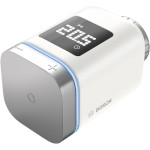
Bosch
Radiator thermostat II
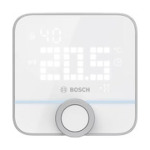
Bosch
Room thermostat II
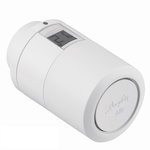
Danfoss
Ally thermostat
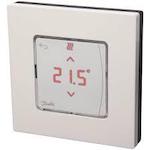
Danfoss
Icon Main Controller with Zigbee Module, Room Thermostat
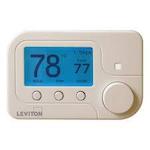
Leviton
Omnistat2 wireless thermostat
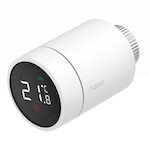
Aqara
Smart radiator thermostat E1
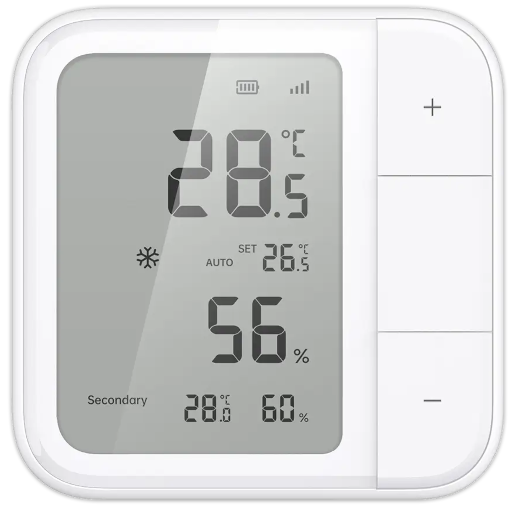
Aqara
Climate Sensor W100
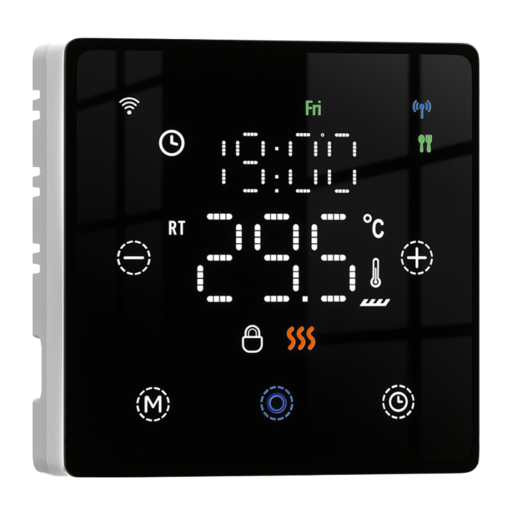
Moes
Zigbee wall thermostat
Common use cases
- Drop the temperature automatically when everyone leaves home
- Pre-heat the bedroom 30 minutes before alarm time
- Run different schedules per room with TRV-style smart radiator valves
- Adjust set-point based on outdoor weather forecast
- Get alerts when a room drops below freezing or a sensor goes offline
Thermostats compatibility by ecosystem
Home Assistant
Devices confirmed via Zigbee2MQTT, Z-Wave JS, or Matter DCL.
480 devices
Google Home
Devices listed as compatible via Matter or Google Home integrations.
221 devices
Apple Home
Devices listed as compatible via Matter or HomeKit.
170 devices
Amazon Alexa
Devices listed as compatible via Matter, Zigbee, or Alexa skills.
221 devices
Browse by protocol
Related categories
Frequently asked questions
Do smart thermostats really save money?
Most households see 10–20% lower heating costs after a year, mostly through smarter setbacks (cooler at night, off when away) rather than the hardware itself. The biggest savings come from per-room control (smart radiator valves) and weather-aware compensation, not from the thermostat alone.
Do I need a C-wire to install a smart thermostat?
Most US thermostats need a C-wire to power their display and radio. Some (Ecobee, Nest) ship with a power-extender kit if your wiring lacks one. UK combi-boiler thermostats typically use a battery or wireless receiver and don't need a C-wire. Check the boiler manual before buying.
Do smart radiator valves replace a thermostat?
They complement it. A smart thermostat controls when the boiler fires. Smart TRVs control which rooms actually get heat. Use them together: the thermostat reflects the demand from any room with an active TRV, so unused rooms stop heating without affecting the rest of the house.
Are Matter smart thermostats reliable enough today?
Matter 1.2+ added thermostat support, and devices from Aqara, EVE and Tado now work across Apple, Google and Alexa. For complex multi-zone setups with TRVs, vendor apps still expose more features. Matter handles core scheduling and set-point control.
Looking for a specific thermostat?
Search all 480 thermostats