Smart Plugs
Add app and voice control to any plug-in appliance: lamps, fans, kettles, chargers.
About smart plugs
What are smart plugs?
Smart plugs sit between a wall outlet and any plug-in appliance, giving you remote on/off control plus scheduling, automation, and (on most current models) energy monitoring. They're the easiest entry point into smart home: no wiring, no hub for many models, and instantly reversible if you move out.
The most common formats are single in-wall plugs, dual-outlet plugs (split control on a single faceplate), power strips with per-socket control, and outdoor plugs rated for damp and dusty environments. Many models add energy metering that reports watts in real time and accumulated kWh, useful for spotting standby loads and measuring appliance efficiency.
Which protocols do smart plugs use?
Smart plugs are dominated by Wi-Fi (TP-Link Tapo, Shelly Plug, Meross), with growing Matter support (Aqara, TP-Link, Linkind), and a healthy Zigbee lineup (Innr, IKEA, Aqara) for hub-based setups. Z-Wave plugs exist but are less common than wall switches.
Wi-Fi is the simplest to install but adds load to your router and can be laggy in scenes. For more than 5–6 plugs, prefer Zigbee or Matter-over-Thread. They're faster, more reliable, and free up your Wi-Fi for the things that actually need it.
Shop smart plugs on Amazon
Browse current bestsellers and deals matching “smart plug”.
Featured devices
See all 519 →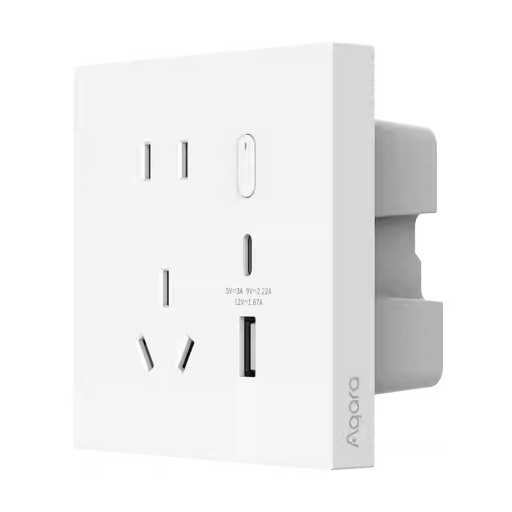
Aqara
Smart wall outlet H2 (USB)
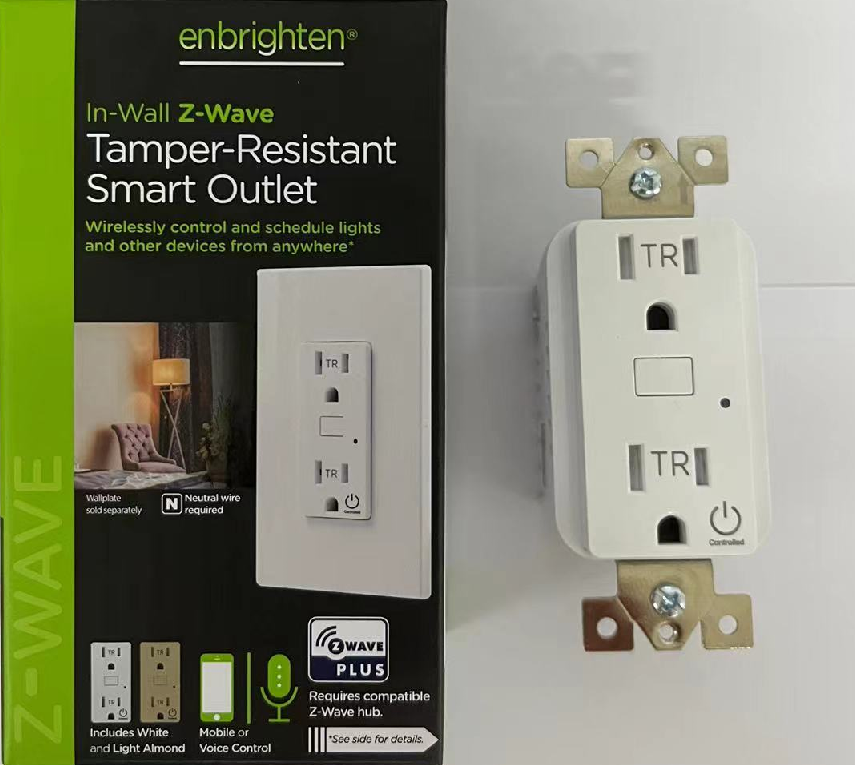
Enbrighten
Enbrighten Z-Wave Plus In-Wall Tamper Resistant Smart Outlet,700S
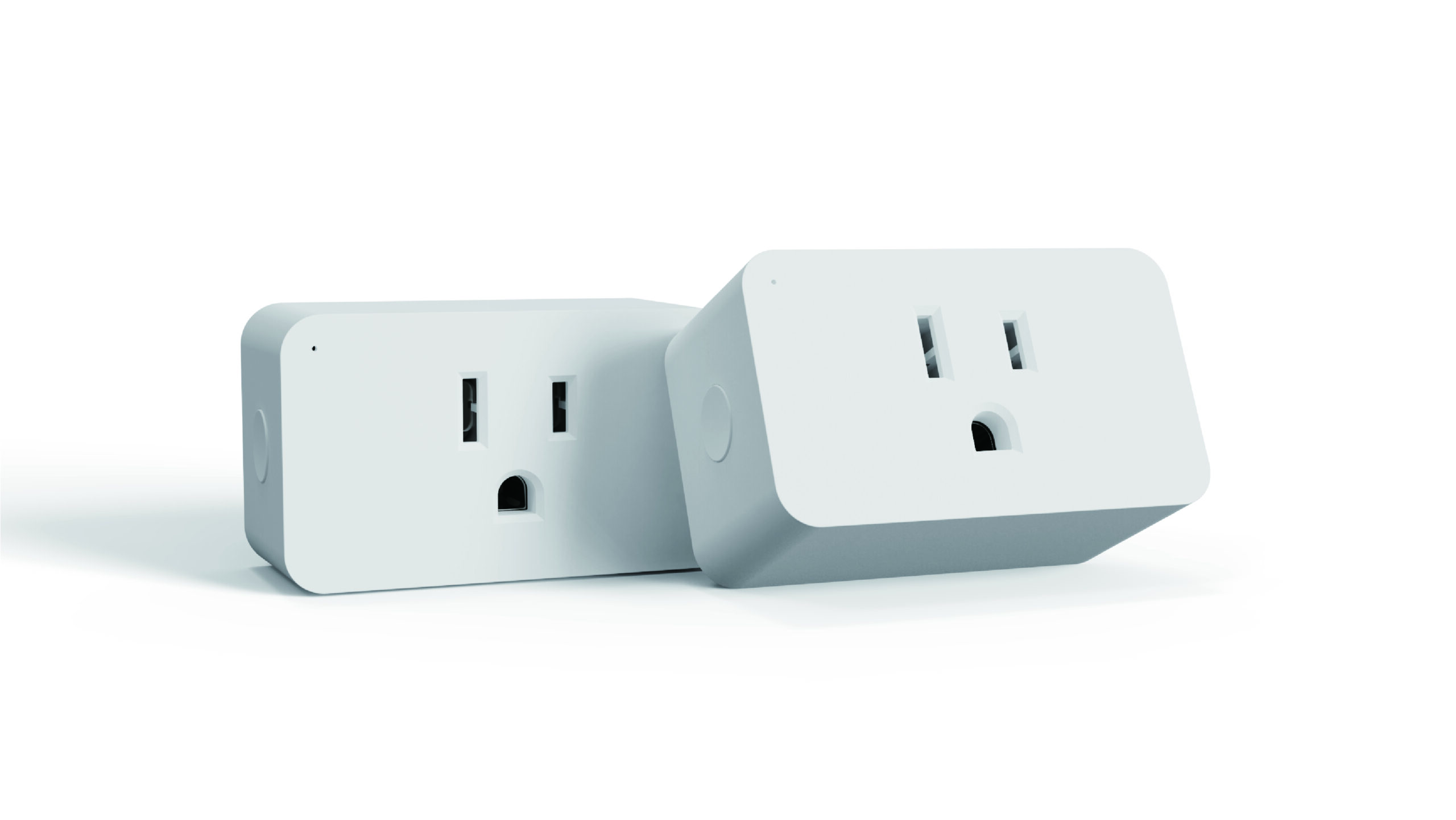
Minoston
Z-Wave Mini Plug
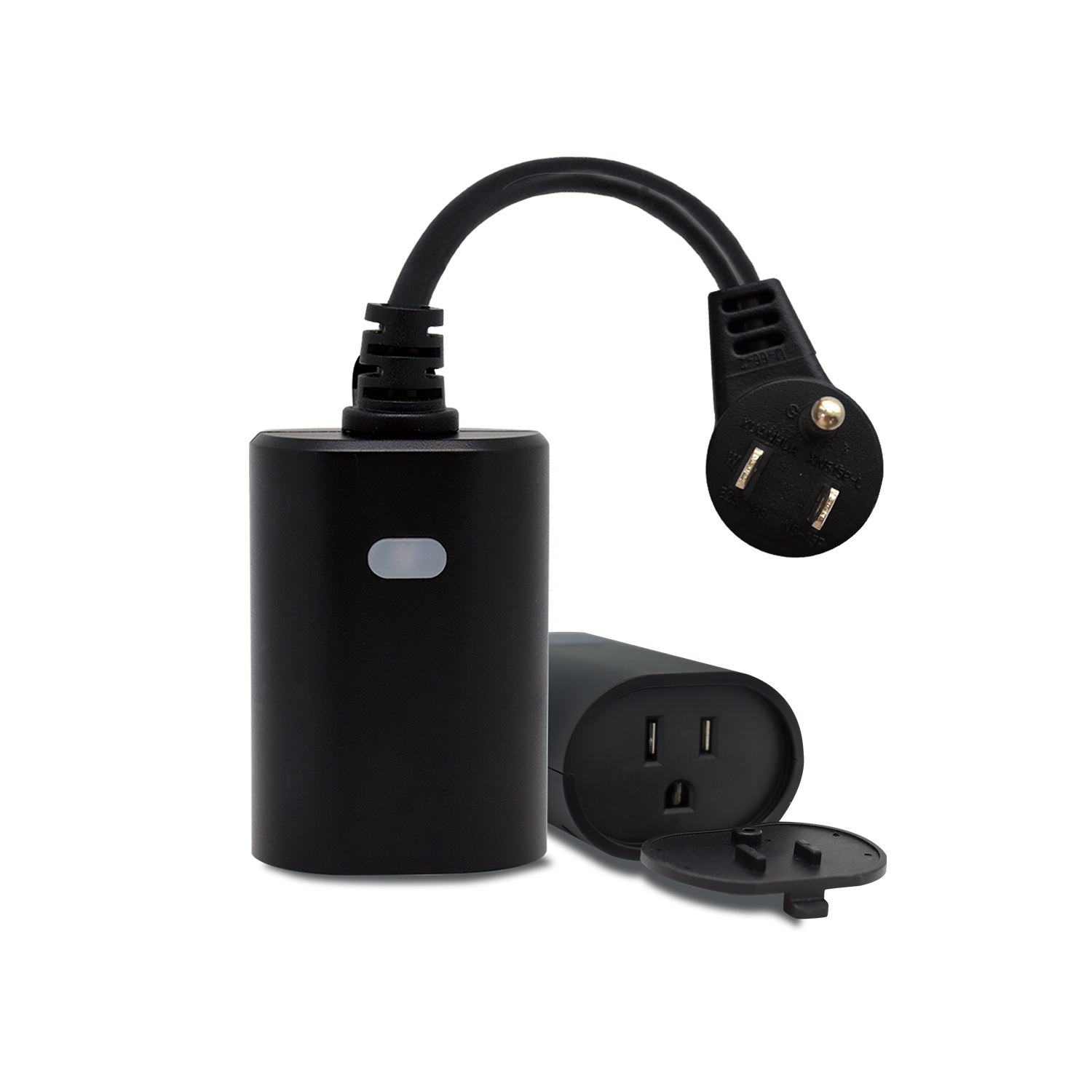
Minoston
Outdoor Smart Plug
Legrand Group
Cable outlet with pilot wire and consumption measurement
Moes
Zigbee 3.0 dual USB wireless socket plug
Sber
Smart Wall Socket
ShinaSystem
SiHAS 4-gang wall outlet
Common use cases
- Schedule lamps and Christmas lights without replacing the bulbs
- Cut standby power to TVs and consoles overnight
- Monitor energy use of always-on devices (fridges, routers, fish tanks)
- Auto-restart unreliable Wi-Fi routers or modems
- Trigger a kettle or coffee maker as part of a wake-up routine
Smart plugs compatibility by ecosystem
Home Assistant
Devices confirmed via Zigbee2MQTT, Z-Wave JS, or Matter DCL.
519 devices
Google Home
Devices listed as compatible via Matter or Google Home integrations.
328 devices
Apple Home
Devices listed as compatible via Matter or HomeKit.
291 devices
Amazon Alexa
Devices listed as compatible via Matter, Zigbee, or Alexa skills.
326 devices
Browse by protocol
Related categories
Frequently asked questions
Do smart plugs use a lot of standby power themselves?
Modern smart plugs draw 0.5–1 W when idle. Over a year that's roughly 5–10 kWh per plug. If you're trying to save energy, focus on cutting power to actual high-draw standby devices (TVs, consoles, sound systems). The plug pays for itself many times over.
Are energy-monitoring smart plugs accurate?
Most are accurate to within ±2–5% for steady loads, which is fine for spotting energy hogs and monitoring trends. They're less accurate at very low loads (under 5 W). For billing-grade accuracy, look for plugs that explicitly publish a calibration spec.
Can I plug a high-wattage appliance into a smart plug?
Check the rating. Most UK/EU smart plugs are rated 13 A / 3000 W; US plugs are typically 15 A / 1800 W. Avoid plugging space heaters, hair dryers and microwaves into bargain plugs. Heat-related failures of cheap plugs are a real fire risk.
What is the difference between a smart plug and a smart power strip?
A smart plug controls a single outlet. A smart power strip exposes multiple sockets, often with independent control per socket plus USB-A/USB-C charging. Strips are great for desks and entertainment centers. Single plugs are better when you only need to control one device.
Looking for a specific plug?
Search all 519 smart plugs