Smart Sensors
Motion, contact, temperature, leak. Find sensors that work with your ecosystem.
About sensors
What are smart sensors?
Smart sensors are the eyes and ears of a connected home. They detect changes in the environment (movement, temperature, humidity, contact, water, light, or air quality) and report them to your smart home hub or directly to apps. Unlike standalone alarms, smart sensors can trigger automations: turn on a light when motion is detected, send a phone alert when a door opens, or shut off a water valve when a leak is found.
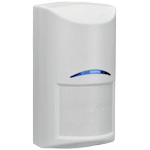
The most common types are motion sensors, contact sensors (door/window), temperature & humidity sensors, leak sensors, vibration sensors, and air quality sensors. Newer mmWave presence sensors detect occupancy even when you're sitting still.
Which protocols do smart sensors use?
Most reliable smart sensors run on Zigbee, Z-Wave, Thread, or Matter, the low-power mesh protocols designed for battery-powered devices. WiFi sensors exist but drain batteries quickly and clutter your network.
If you're starting fresh, look for Matter-over-Thread sensors: they work with Apple Home, Google Home, Alexa, and Home Assistant out of the box without vendor lock-in.
Shop sensors on Amazon
Browse current bestsellers and deals matching “smart sensor”.
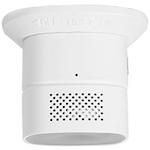
Featured devices
See all 1,592 →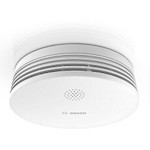

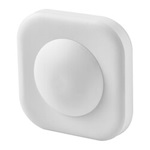
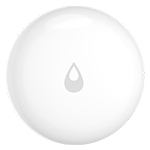
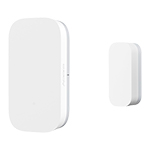
Common use cases
- Trigger lights when you enter a room (motion sensors)
- Get alerts when a door or window opens (contact sensors)
- Detect water leaks before they become floods
- Monitor temperature and humidity in every room
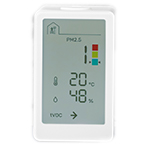
- Track indoor air quality (CO₂, VOC, PM2.5)
Sensors compatibility by ecosystem
Home Assistant
Devices confirmed via Zigbee2MQTT, Z-Wave JS, or Matter DCL.
1,592 devices
Google Home
Devices listed as compatible via Matter or Google Home integrations.
378 devices
Apple Home
Devices listed as compatible via Matter or HomeKit.
217 devices
Amazon Alexa
Devices listed as compatible via Matter, Zigbee, or Alexa skills.
375 devices
Browse by protocol
Related categories
Frequently asked questions
Do smart sensors need a hub?
Most Zigbee and Z-Wave sensors require a hub or coordinator (like Home Assistant with a Zigbee dongle, SmartThings, or a Hue Bridge). Matter-over-Thread sensors need a Thread border router but no separate hub. WiFi sensors connect directly to your router.
Which smart sensors work with Apple Home?
Apple Home supports Matter and HomeKit-certified sensors natively. Aqara, Eve, and Onvis make popular HomeKit-compatible motion, contact, and leak sensors. Zigbee and Z-Wave sensors can be exposed to Apple Home through a bridge like Home Assistant or Homebridge.
Are battery-powered sensors reliable?
Modern Zigbee and Thread sensors typically run 1–2 years on a coin cell, and Z-Wave sensors often last longer. WiFi sensors drain batteries faster. For critical use cases (leak detection), pick sensors with low-battery alerts and a proven track record.
What is the difference between a motion sensor and a presence sensor?
Motion (PIR) sensors detect movement and time out after a few minutes of stillness. Presence sensors (mmWave or radar) detect that someone is in the room even when sitting still, which is better for keeping lights on while you read or work.
Looking for a specific sensor?
Search all 1,592 sensors